March 12 is World Kidney Day.
According to the WHO and international nephrology organizations and societies, the number of patients with kidney diseases today amounts to approximately 10% of the global population, and this figure is unfortunately growing. In most cases, these are severe chronic diseases that are often fatal, or conditions that are becoming chronic.
Rules that are important to follow when taking care of your health, including your kidneys:
- Regularly drink at least 1-1.5 liters of clean drinking water to promote kidney flushing.
- Get blood and urine tests annually to monitor kidney function and promptly detect and treat urinary tract pathologies.
- Maintain a healthy, active lifestyle to avoid congestion.
- Maintain a healthy diet, increasing your intake of fruits and vegetables.
- Give up unhealthy habits.
- Monitor your blood pressure and weight.
On March 12, a direct telephone line was launched in the Brest region.
Brest Regional Clinical Hospital
- +375 (162) 27-21-89, +375 (162) 27-20-42, call from 12:00 to 15:30
The importance of kidneys for the body
This year, March 12 marks World Kidney Day, which is held under the theme “Kidney Health for All: Caring for People, Protecting the Planet.” This theme highlights the inextricable link between environmental health and kidney health, emphasizing the need for sustainable approaches to disease prevention.
The key aspects of this topic are:
- Protecting people: access to early diagnosis and quality treatment of kidney disease for all segments of the population;
- Protecting the planet: addressing environmental factors (pollution, climate change) that impact kidney health;
- Goal: raising awareness of the risks of developing chronic kidney disease and the importance of a healthy lifestyle, including a balanced diet and physical activity.
According to the World Health Organization and international nephrology organizations and societies, the number of patients with kidney diseases today amounts to approximately 10% of the global population, and this figure is unfortunately growing. In most cases, these are severe chronic diseases that are often fatal, or conditions that are becoming chronic.
Kidney function
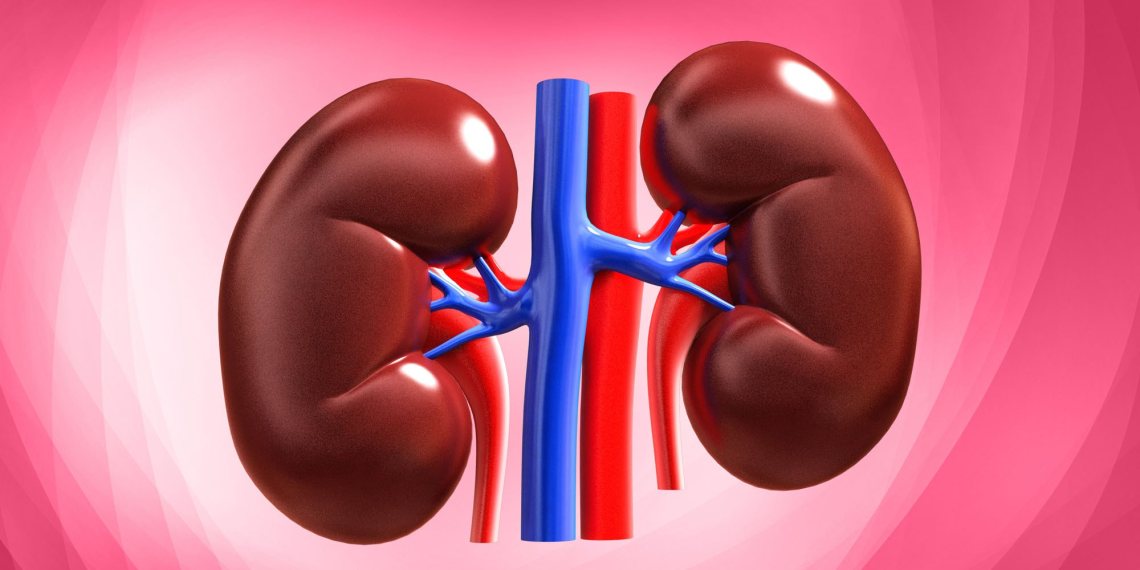
The kidneys are a paired organ that performs many important functions in the body. One of their functions is to cleanse the blood of toxic substances produced during normal life processes.
The kidneys also play a role in maintaining normal blood pressure and regulating the body’s water and electrolyte balance, maintaining adequate levels of sodium, potassium, and calcium in the blood. They also produce a special hormone (erythropoietin), which stimulates the production of the required number of red blood cells (erythrocytes). Furthermore, the kidneys produce the active form of vitamin D, which is involved in virtually all aspects of the body’s functions.
Why is it important to take care of your kidneys?
Kidney diseases (pyelonephritis, urolithiasis, glomerulonephritis, chronic kidney disease) can significantly impair quality of life. In advanced cases, blood purification procedures using an artificial kidney machine are necessary. This involves filtering the blood outside the body through a special device, removing toxins, excess fluid, and harmful metabolic waste. In cases of severe kidney failure, a kidney transplant is performed.
The earlier the disease is detected, the easier it is to manage. Therefore, it’s important to know the early signs of kidney disease:
- Swelling, especially in the face and upper body, which may later progress to swelling of the legs;
- Frequent urination, especially at night;
- Painful urination;
- Increased blood pressure;
- Lower back pain;
- Changes in urine output – decrease or increase;
- The presence of blood, mucus, or pus in the urine;
- Increased body temperature, sometimes high, for no apparent reason.
Preventing kidney disease is an important step to maintaining good health. Remember! Prevention is always better than cure.
Key measures to prevent kidney disease include:
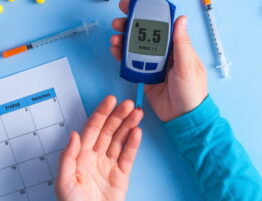
- Regular monitoring of blood pressure and blood sugar levels;
- Maintaining a healthy weight and sufficient physical activity;
- Limiting salt intake to 5 g/day;
- Avoiding harmful habits, such as smoking and alcohol abuse.
Besides:
- Avoid regular use of nonsteroidal anti-inflammatory drugs (NSAIDs) and other medications that are toxic to the kidneys; use them only as prescribed and under a doctor’s supervision.
- Drink enough fluids (30 ml per 1 kg of normal body weight per day).
- Promptly treat chronic infections (tonsillitis, tooth decay) and avoid hypothermia.
- Do not exceed the recommended protein intake (0.8-1.5 g per 1 kg of body weight).
Remember also that for timely diagnosis of kidney diseases, it is necessary to undergo regular medical examinations (at least once a year).