Children’s Health and Family Well-being — A Priority for the Brest Region
Belarus celebrates Mother’s Day on October 14 and Father’s Day on October 21. These holidays are united by respect for parental labor and responsibility for the future of children. For the Brest Region, family care means, first and foremost, preserving the health of mothers and children, ensuring the availability of medical care, and creating conditions for giving birth to and raising children.
Assistance to Mothers and Children — A Unified System
The infant and child mortality rates in the Brest Region are on par with those of developed nations. Saving the life of every single child remains the main focus of the maternity and childhood care services. This work is driven by obstetrician-gynecologists, neonatologists, pediatricians, anesthesiologists-resuscitatologists, midwives, and nurses.
The region operates a three-level system of perinatal care. Its core principle is providing care based on the condition of the woman and child, the specifics of the pregnancy, and the risk level. If necessary, a patient is referred to an institution that possesses the appropriate specialists and capabilities. This approach combines the availability of local care with the concentration of resources for complex cases.
The Brest Regional Maternity Hospital, which provides third-level perinatal care, is a vital link in this system. Continuity between institutions, the timely referral of pregnant women, and cooperation between obstetric and pediatric services help organize care at different stages: during pregnancy, during labor, and after childbirth.
Modern Conditions for Giving Birth
Extensive work has been carried out in the Brest Region to reconstruct maternity hospitals and wards. The upgrade of medical infrastructure is an investment in both the working conditions of specialists and the comfort of mothers and newborns. However, the development of the service is defined not only by the state of the buildings: the organization of care, professional training of personnel, and an attentive approach to every family are of crucial importance.
One example is the David-Gorodok Hospital. The large-scale reconstruction of the hospital became part of the region’s healthcare renovation. More babies are delivered in David-Gorodok than in Stolin. This example highlights the importance of obstetric care for the residents of the town and surrounding communities.
Care for a Child’s Health Continues After Birth
The reconstruction of the Brest Regional Children’s Hospital was a major milestone for the region’s healthcare. In 2025, the renovated medical building was opened after reconstruction.
The regional children’s hospital plays an important role in providing specialized care to the children of the region. Upgrading its infrastructure complements the development of the perinatal service: care for a child must be consistent—from the first days of life through subsequent stages of growth. For parents, it is especially important that the necessary care is organized in a timely manner and that treatment takes place in environment tailored to the needs of a young patient.
State Support for Families
In Belarus, medical care for mothers and children is supplemented by a system of state support for families raising children. It includes a maternity allowance, a lump-sum birth grant, an allowance for women who registered before the 12th week of pregnancy, and a monthly child care allowance for children under three years of age. Other types of benefits are provided for specific categories of families.
An additional measure of long-term support for large families is family capital. It is granted upon the birth or adoption of a third or subsequent child, provided that the established conditions are met. The program also applies to children born in 2026–2029. The terms for managing these funds are determined by legislation; in specified cases, their early use is permitted.
Family support also includes state targeted social assistance and measures to help improve housing conditions for eligible families. The terms of allocation depend on the specific situation. For explanations, parents can contact their employer and the bodies for labor, employment, and social protection, and for family capital matters—the local executive and administrative body.
Motherhood and Fatherhood — A Shared Responsibility
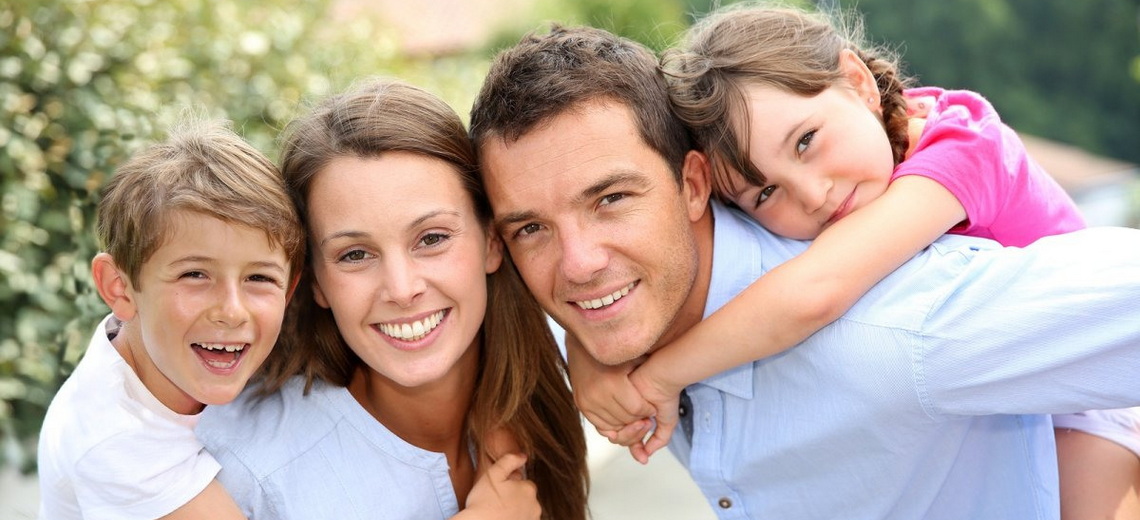
Mother’s Day and Father’s Day are an occasion to express gratitude to both parents for their love, patience, and daily care. A father’s involvement in upbringing, support for the mother, and joint attention to children’s health strengthen the family. For medical professionals, partnership with parents translates into trust, timely medical checkups, and a shared commitment to the child’s well-being.
The development of perinatal care, the reconstruction of medical institutions, and state support for families serve a common goal—to give children a healthy start in life and to provide parents with confidence and support. On these holidays, words of appreciation are addressed to mothers and fathers, as well as to all specialists who help children come into the world, grow, and stay healthy. The ongoing work and achieved results demonstrate the state support and comprehensive approach in the Republic of Belarus toward the prioritized development of maternal and child healthcare services.
We wish the families of the Brest Region health, mutual understanding, and prosperity. May caring for children unite generations, and may every child grow up in an atmosphere of love and respect.