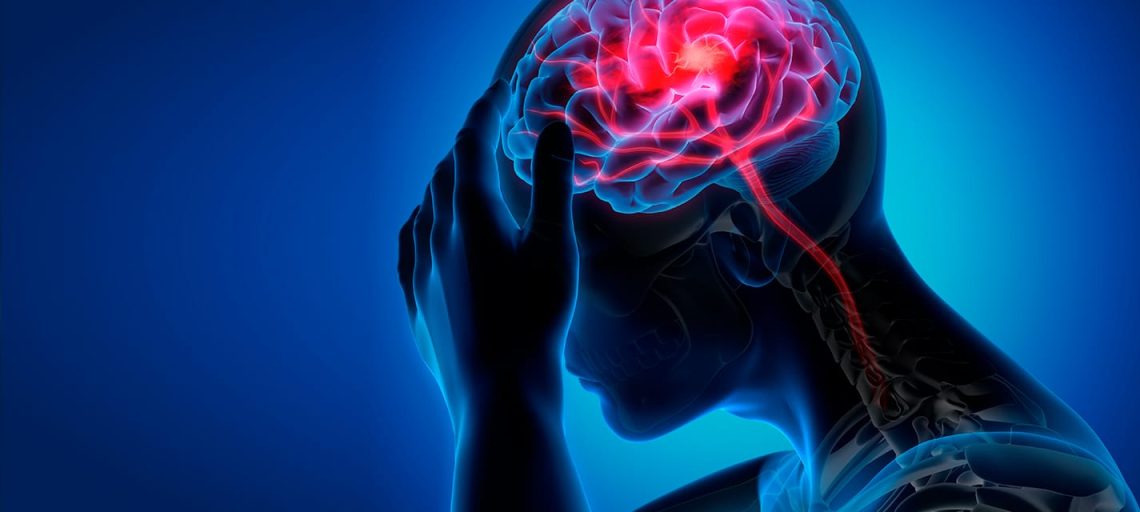
Acute cerebrovascular accident (ACVA), also known as stroke, represents a serious medical problem accompanied by high mortality and patient disability. Timely diagnosis of ACVA is a key factor in successful treatment and prevention of severe complications. In this regard, various methods of stroke screening immediately prior to patient hospitalization — the so-called prehospital stroke symptom assessment scales — have become widespread.
It is very important to identify the signs of stroke in a timely manner! There are about 85 billion nerve cells in the human body. During a stroke, 2 million of them die irreversibly every minute.
Every minute counts! Therefore, knowing the FAST test helps to recognize the dangerous signs of a stroke within seconds under any conditions and call an ambulance in time, before irreversible changes in the patient’s brain occur.
Early detection of stroke symptoms using the FAST test and timely initiated treatment increase the chances of recovery and reduce the risk of early disability.
The FAST (Face Arm Speech Test) scale is one of the most common and simple methods for detecting signs of ischemic or hemorrhagic stroke.
- F (Face drooping)
A feeling of numbness or weakness on one side of the face. The person can move their face on only one side.
Action: ask the person to smile. If they cannot, it is a warning sign. - A (Arm weakness)
A feeling of weakness or heaviness in the entire arm and limitation of its mobility.
Action: Ask the person to raise both arms — and you will notice that one of them drifts downward. This is another alarming symptom. - S (Speech difficulty)
The person cannot speak or their speech is slurred.
Action: ask the person to repeat a short phrase. - T (Time)
If you notice at least one of these signs in yourself or others, seek medical attention immediately!
Other signs of stroke:
- Weakness or heaviness on one side of the body (face, arm, leg).
- Loss of balance and coordination.
- Loss of vision or blurred vision.
- Severe headache.
- Dizziness.
- Nausea and vomiting.
- Difficulty swallowing food.
- Loss of consciousness.
Important! Stroke can be prevented. Simple steps save lives:
- Control your blood pressure.
- Quit smoking and avoid alcohol.
- Move more.
- Watch your weight.
- Eat a healthy diet.