
Rabies is a naturally occurring viral infection that affects both animals and humans. The causative agent is a virus that may be present in saliva, tears, or urine. Within the body, the virus spreads along nerve fibers. It first reaches the spinal cord, then enters the brain, causing inflammation. The duration is 6–11 days.
The virus is carried by foxes (the primary reservoir of infection), wolves, jackals, badgers, raccoons, and bats, as well as by domestic animals, including dogs, cats, and livestock (cattle, horses, and small ruminants).
At the onset of the disease, the animal hides and avoids people, or, conversely, becomes affectionate and attempts to lick them. In the middle stage, the animal grows agitated, fiercely snaps at objects, and tries to break free from its restraints. In the final stage, the animal becomes immobile and dies while in a coma.
In humans, rabies manifests as spasms of the pharyngeal and respiratory muscles. As agitation intensifies, patients become aggressive and thrash about in their beds. This stage of agitation is followed by paralysis, which leads to death.
What should you do in the event of a bite?
- Thoroughly wash the bite area with a stream of soapy water for 10 minutes.
- Go to the nearest emergency clinic and complete a course of vaccinations.
What is important to know:
- There is no seasonality to rabies infection.
- Rabies is a highly dangerous, acute viral infectious disease with an absolute fatality rate.
- Rabies can only be prevented; there is no treatment for the disease once it has developed.
- Every 10 minutes, one person in the world dies from rabies.
Human infection occurs through bites, scratches, or the contamination of fresh wounds or skin cuts with the saliva of an infected animal, as well as through contact with objects soiled by such saliva. Infection can also occur if droplets of infectious material—specifically the saliva of an infected animal—come into contact with the mucous membranes of a person’s mouth, eyes, or nasal cavity.
Why preventive vaccination against rabies is important
Preventive vaccination is recommended for people who work with animals, as well as those who work or live in areas with a high risk of rabies transmission. It is administered in advance, prior to any potential exposure to the virus, and helps build immunity that protects against the disease in the event of an accidental bite or other contact with an animal.
Who should definitely get a preventive rabies vaccination
- persons engaged in the work of capturing and keeping stray animals
- to veterinarians
- to hunters
- to the foresters
- slaughterhouse workers
- to taxidermists
- game wardens
Number of vaccinations
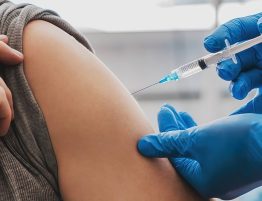
A total of 3 vaccinations are required: the first dose is administered on the day of the initial visit, followed by a second dose on day 7, and a third dose on day 30. The vaccine is administered intramuscularly into the deltoid muscle of the arm. A booster dose (to restore the body’s previous level of protection against the rabies virus) is given after 1 year, and subsequently every 3 years.
To carry out rabies vaccination, it is necessary to:
Schedule an appointment with a traumatologist (surgeon) at the polyclinic to obtain clearance for receiving a prophylactic rabies vaccination.
Once you have been cleared for vaccination, you should go to the vaccination room to have the procedure performed.
Preventive vaccination against rabies helps ensure safe working conditions and prevents death.